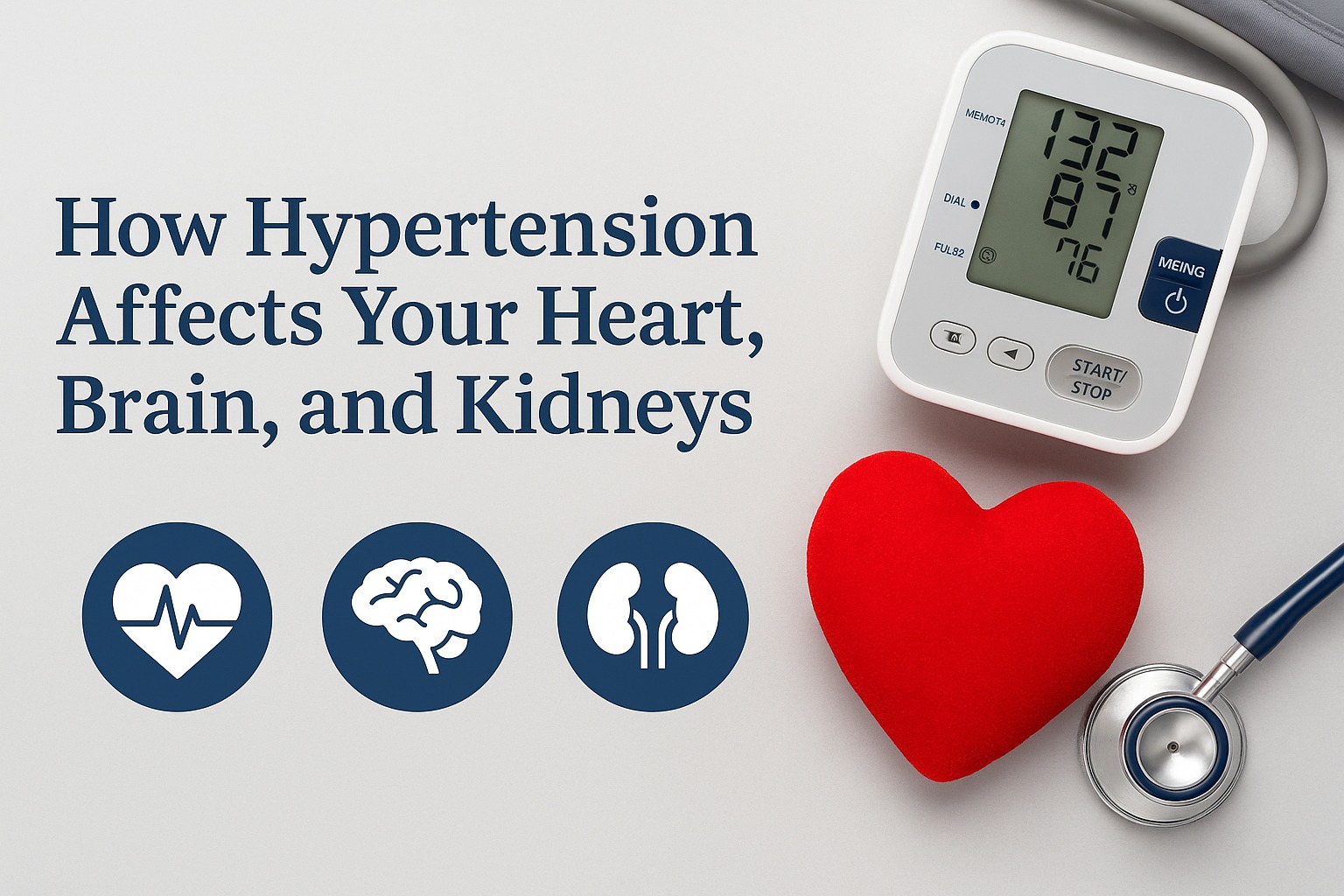
Managing Hypertension: Protecting Your Heart and Kidneys
By Dr. Narendra Gupta
Senior Consultant Physician & Chest Specialist
Senior Consultant Physician & Chest Specialist
Hypertension is often called the “Silent Killer” because it rarely shows outward symptoms until it has already caused significant damage https://drnarendraphysician.com/ to the body. As a physician, I see many patients who are surprised by a high blood pressure reading during a routine check-up. Understanding how to manage this condition is the most effective way to prevent strokes, heart attacks, and kidney failure.
1. Why the “Numbers” Matter
Blood pressure is the force of your blood pushing against the walls of your arteries.
- Systolic (Top number): Pressure when the heart beats.
- Diastolic (Bottom number): Pressure when the heart rests.
A consistent reading above 130/80 mmHg generally indicates hypertension. Over time, this constant pressure scars the arteries, making them stiff and narrow.
2. The Sodium Connection
In the Indian diet, hidden salt is a major contributor to high blood pressure.
- Reduce Processed Foods: Pickles (achars), papads, and salted snacks are high in sodium.
- The “Salt Shaker” Rule: Avoid adding extra salt to your food at the table.
- Potassium Power: Foods like bananas, spinach, and sweet potatoes help your body flush out excess sodium and ease the tension in your blood vessel walls.
3. Protecting Your Kidneys
The kidneys and blood pressure are deeply linked. High pressure damages the small blood vessels in the kidneys, reducing their ability to filter waste. Conversely, kidney disease can make blood pressure even harder to control.
- Regular Screening: If you have hypertension, it is vital to have an annual Serum Creatinine and Urine Protein test to monitor kidney health.
4. Lifestyle as Medicine
Medication works best when supported by daily habits:
- The DASH Diet: A diet rich in fruits, vegetables, and low-fat dairy.
- Physical Activity: 30 minutes of aerobic exercise (like brisk walking or swimming) helps strengthen the heart, allowing it to pump blood with less effort.
- Weight Management: Even losing 3–5 kg can significantly lower your blood pressure readings.
5. Medication Consistency
One of the biggest risks is “rebound hypertension”—when a patient feels fine and decides to skip their BP medication.
- Never Stop Abruptly: Stopping blood pressure medication suddenly can cause a dangerous spike in pressure.
- Time it Right: Take your medicine at the same time every day to keep levels steady in your bloodstream.
Conclusion
Hypertension is a lifelong condition, but it is highly manageable. By monitoring your levels at home and working closely with your physician to balance diet and medication, you can protect your vital organs and live a full, active life.
Hypertension is a lifelong condition, but it is highly manageable. By monitoring your levels at home and working closely with your physician to balance diet and medication, you can protect your vital organs and live a full, active life.